
Leading Edge Night Vision Gear for Tactical Superiority
1764158535000
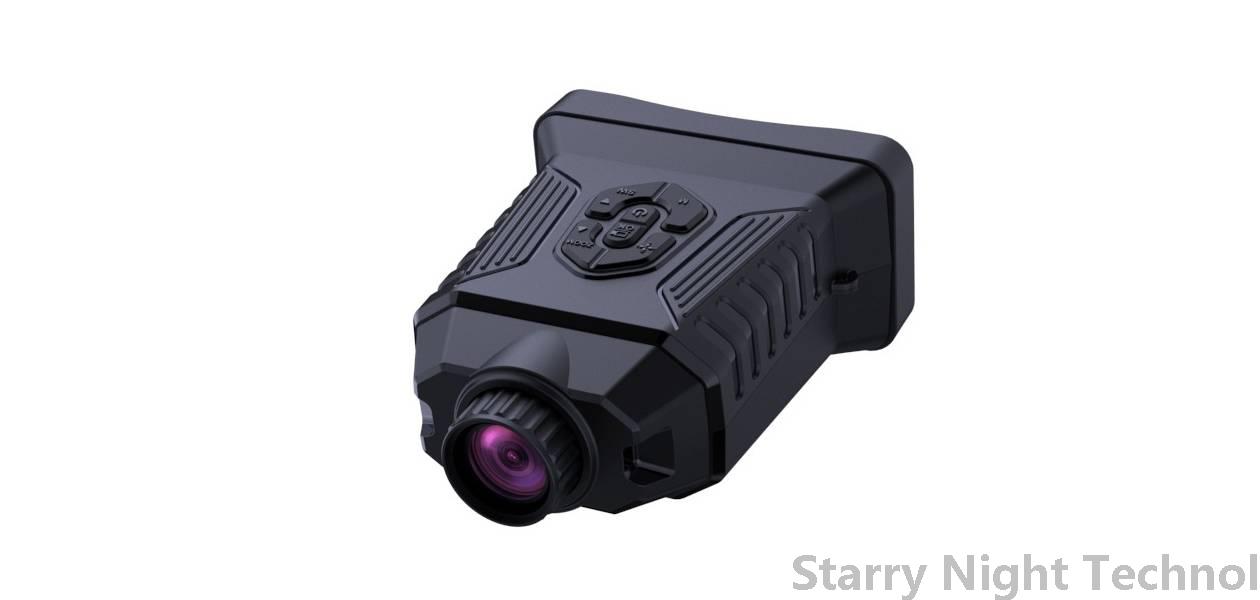
In the realm of modern warfare and law enforcement, tactical superiority hinges on a myriad of factors—including strategy, training, and technology. Among these elements, night vision gear has emerged as a critical player in enhancing operational effectiveness during low-visibility conditions. From military personnel to special forces and first responders, cutting-edge night vision devices have revolutionized surveillance, reconnaissance, and combat scenarios.
#### Understanding Night Vision Technology
Night vision technology operates by amplifying ambient light to create visible images in darkness. Traditionally reliant on image intensifier tubes, modern advancements have led to digital night vision systems that offer enhanced clarity and functionality. With innovations across the spectrum, operators now have more choices than ever when it comes to selecting the right gear tailored to their mission requirements.
The two primary types of night vision are **image intensification** and **thermal imaging**. Image intensifiers amplify available light—such as moonlight or starlight—to produce clear imagery, making them ideal for nighttime operations where faint illumination is present. Thermal imaging, on the other hand, detects heat emitted by objects, providing visibility even in complete darkness, fog, or smoke.
#### Cutting-Edge Night Vision Devices
1. **Goggles and Binoculars**
- **AN/PVS-31A**: The US Army's latest generation binocular night vision goggles offer dual-tube technology which provides improved depth perception compared to single-tube models. Features include integrated wireless capability, allowing seamless communication with drones and other tech assets during missions.
- **NVG-99**: These lightweight goggles provide a high-resolution display using advanced micro-displays. They feature a wide field of view, adjustable diopter settings, and helmet-mount options, which contribute significantly to comfort and usability during prolonged use.
2. **Riflescopes**
- **ATN X-Sight 4K PRO**: This smart scope features Wi-Fi connectivity, enabling users to stream videos in real-time. It incorporates built-in ballistics calculators that assist sharpshooters in calculating bullet drop based on distance, wind speed, and trajectory—all converted into actionable insights executed through an intuitive user interface.
- **Pulsar Thermion 2**: Combining thermal detection capabilities with extensive rangefinding options, this riflescope ensures precision targeting day or night. Its robust construction meets military standards while offering multiple color palettes, tailoring the viewing experience suitable for different environments.
3. **Monoculars**
- **FLIR Breach PTQ136**: A compact thermal monocular that's particularly useful for urban operations, it enables excellent situational awareness in difficult lighting conditions. With its onboard recording function, teams can document encounters post-event, enriching after-action reviews.
- **Bushnell Equinox Z2**: An effective combination of night vision and day time functionality, the Equinox Z2 offers both power and versatility. Built-in IR illuminators support long-range viewing at night, reinforcing operator readiness for direct engagement.
4. **Integrated Solutions**
- **ViperShield NVG**: Providing protection against chemical agents combined with night vision capability, ViperShield stands out due to its multi-functional uses. Officers can navigate hazardous environments without compromising vision quality.
- **HoloLens with Night Vision Integration**: As augmented reality continues to develop, Microsoft's HoloLens demonstrates potential applications in night vision contexts. Integrating real-time data overlays with thermal and low-light feeds could facilitate enriched decision-making processes in tactical situations.
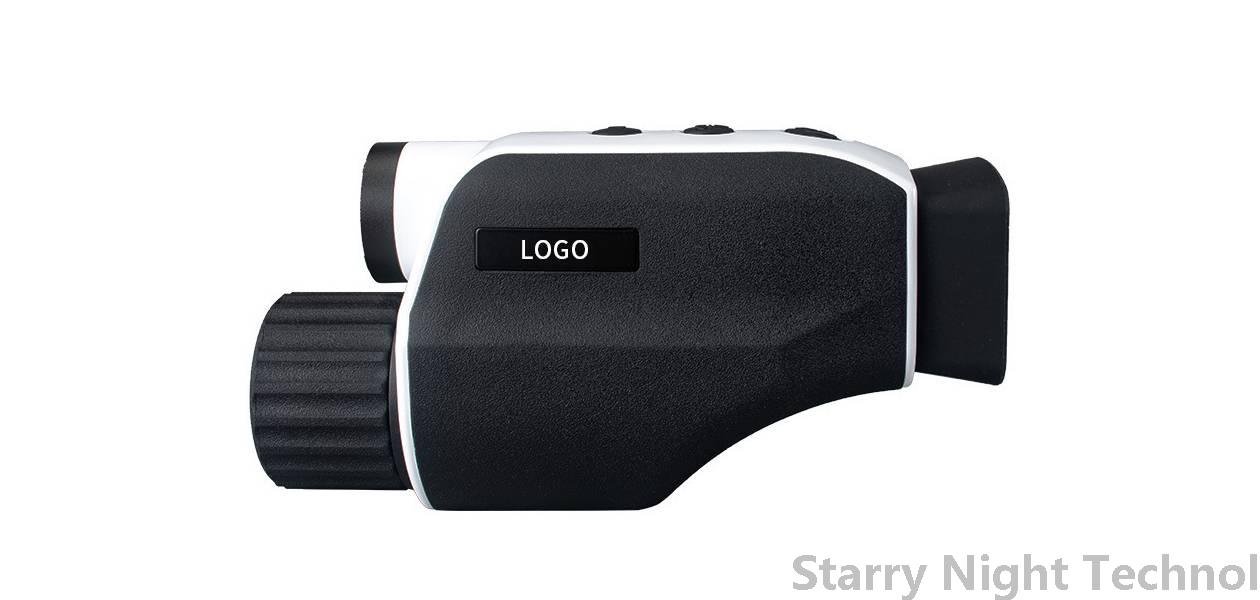 Choosing the optimal night vision device depends largely on specific task demands, environment, and budgetary considerations. Operators should assess factors such as:
- **Visibility Requirements**: Different activities require varied amplification levels; hence knowing if you primarily need a device for close encounters versus distant traversal helps narrow down options.
- **Weight and Comfort**: Prolonged usage calls for ergonomically designed equipment. Lightweight units minimize fatigue and enhance mobility, especially vital in high-stakes situations.
- **Durability**: Ensuring equipment can withstand harsh weather conditions, rough handling, and potentially dangerous surroundings is paramount. Ratings for water resistance and shockproofing are essential indicators.
- **Operational Training**: Investing in advanced night vision tools necessitates adequate training programs to exploit each unit’s capabilities fully. Organizations must back investments with skill development to ensure effective deployments when needed.
#### Future Trends in Night Vision Technology
As military budgets grow increasingly tight and technological advancements accelerate, the emphasis on integrating AI and machine learning algorithms into night vision solutions is likely to become standard practice. Enhanced analytics will allow operators not only to see but also interpret behavior patterns in real time, setting a new benchmark for situational awareness.
Moreover, advances in OLED (Organic Light Emitting Diodes) and Quantum Dot technologies stand to sharpen resolution further and reduce the bulkiness associated with many current systems. Greater miniaturization coupled with cloud computing may lead to mobile apps capable of transforming smartphones into proficient night vision devices capable of numerous tasks like environmental assessments.
### Conclusion
Tactical superiority in modern operations increasingly relies on sophisticated night vision gear, merging efficiency with unprecedented strategic advantages. Quality night vision equipment allows well-trained operators to execute missions across various terrains effectively—even under the cover of darkness. Keeping pace with emerging technologies, organizations can empower themselves towards heightened operational success, ensuring correctional actions guide future engagements.
Night vision device productsStarry Night Technol
 Starry Night Technol
- +86 177 2792 7301
- Room 6A-16, 6th Floor, Shenzhou Computer Building, No. 2 Beier Road, Longgang District, Shenzhen Province, China