
Enhanced Night Vision: A New Era for Military Engagement
1764140420000
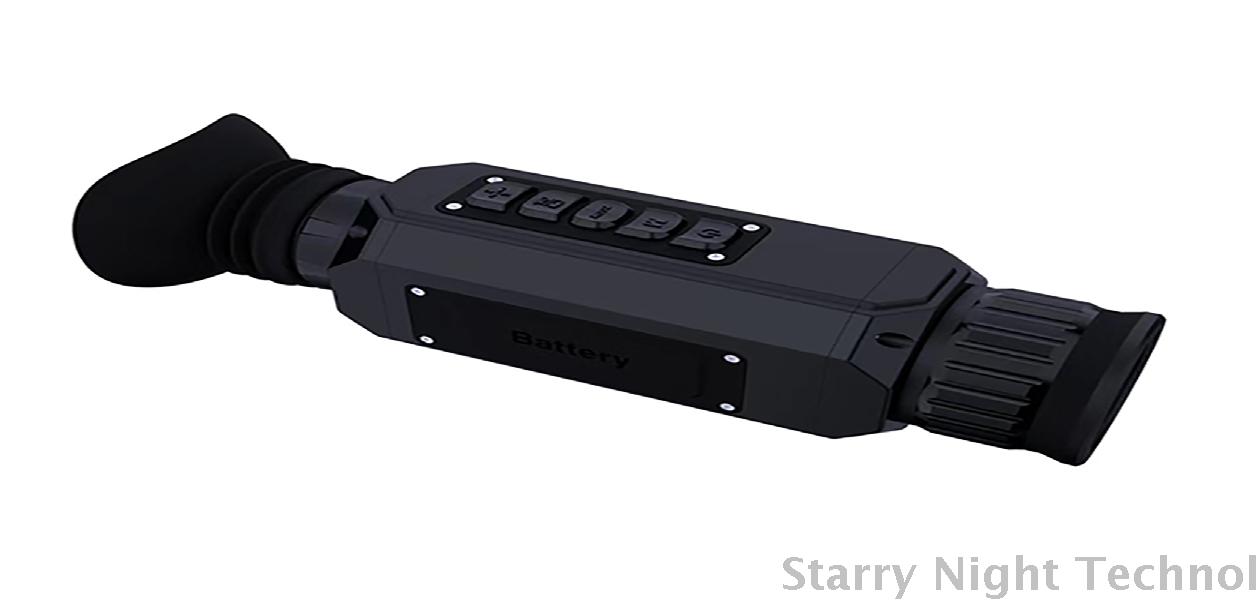
The evolution of night vision technology has been one of the most significant advancements in modern warfare. From rudimentary early optical devices to sophisticated digital systems, the ability to see and operate effectively in low-light conditions has fundamentally changed military engagement strategies worldwide. With recent breakthroughs in enhanced night vision technologies, we stand on the brink of a new era that promises to redefine how military operations are conducted after sundown.
### The Historical Context of Night Vision
Night vision technology has come a long way since its inception during World War II. The advent of image intensification tubes marked the first major breakthrough, allowing soldiers to see in nearly complete darkness by amplifying available light. This technology was further refined through the decades leading to the introduction of more advanced systems like thermal imaging, which detects infrared radiation emitted by objects—allowing users to locate equipment or personnel even under total darkness.
As global conflicts intensified throughout the late 20th and early 21st centuries, military forces began prioritizing night operation capabilities. Enhanced night-vision goggles (NVGs) became commonplace on the battlefield, offering significant advantages for visibility and reconnaissance missions. However, traditional NVGs have their limits—they can suffer from glare, blooming, and other visual artifacts that can impede situational awareness and tactical effectiveness.
### Breakthroughs in Technology: Enter the I² & Digital Systems
The latest advancements in Enhanced Night Vision Goggle (ENVG) technology combine image intensification with cutting-edge digital sensors, creating multi-spectral systems capable of providing exceptional clarity and depth perception. Modern ENVGs use high-definition displays and integrate additional functionalities such as augmented reality overlays, enabling troops to access vital data in real-time while navigating darkened environments.
These next-generation systems rely heavily on advanced algorithms and artificial intelligence (AI) to interpret sensor data, ultimately providing clearer images than their predecessors. Enhanced resolutions improve target identification capabilities without compromising mobility or speed, thereby fostering a new level of operational efficiency.
Moreover, integration with drone technology offers unprecedented support in nighttime combat scenarios. UAVs equipped with high-resolution cameras link seamlessly with ENVGs, feeding live feed back to ground troops. This synergy allows users to maintain an overview of the battlefield and coordinate maneuvers more effectively, lowering engagement risks while maximizing offensive capabilities.
### Enhancing Tactical Decision-Making
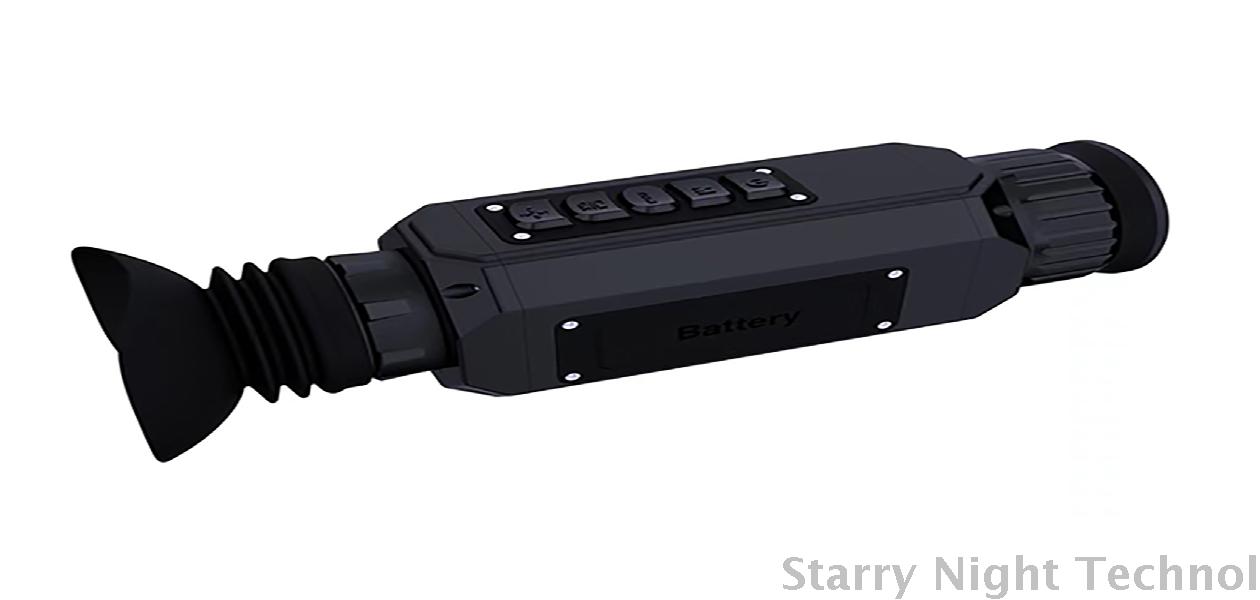 Enhanced night vision also plays a crucial role in joint operations involving cooperation among various branches of service. Greater interconnectivity between land, air, and naval forces enables seamless sharing of visual data, ensuring all units can collaborate effectively—even under the cover of darkness. As threats evolve and adversaries utilize stealth tactics, the collaborative edge afforded by improved night vision technologies becomes increasingly critical to protect lives and secure strategic advantages in hostile territory.
### Challenges and Considerations
While the potential of enhanced night vision is vast, several challenges persist. First, the integration of sophisticated technologies comes with concerns regarding cost and resource allocation. Budgets for defense spending must balance innovation with welfare considerations. Advanced systems will require continuous maintenance, updates, and training for successful implementation across militaries globally.
Furthermore, ethical considerations regarding surveillance capability arise alongside technological strides. While increased transparency may lead to faster intervention for humanitarian crises, it could also bring forth serious implications related to privacy breaches, civil liberties, and abuses of power if not governed wisely.
Overreliance on technology carries inherent risks as well. Combat situations often demand quick thinking and adaptability, qualities that may be undermined relative to over-dependence on tech solutions. Therefore, rigorous training and scenario-based simulations should reinforce individual competencies while augmenting the support provided by advanced equipment.
### Looking Ahead: The Future of Military Operations
Looking forward, as geopolitical tensions rise and battlefields evolve, maintaining the advantage with state-of-the-art enhanced night vision capabilities will remain integral to military strategy. Whether combating terrorism or engaging in conventional warfare, success amidst uncertainty hinges upon effective navigational methods in low light—a challenge ever-present in many theaters of conflict.
Continued investment and development in enhanced night vision hold promise not just for the military but can contribute to broader applications, including search and rescue efforts, law enforcement, wildlife conservation, and disaster response initiatives. Technology continuously shapes our prevailing security landscape—for armed forces, adapting these innovations is paramount in achieving and sustaining dominance in future engagements.
In conclusion, enhanced night vision undoubtedly marks a new era for military engagement. Its transformative potential extends far beyond mere enhancement of sight; rather, it encapsulates a shift towards smarter, interconnected, and data-driven military operations that define the future of warfare itself. On this journey toward unparalleled tactical superiority, embracing both opportunities and challenges will ultimately pave pathways toward a safer world for us all.
night vision deviceStarry Night Technol
 Starry Night Technol
- +86 177 2792 7301
- Room 6A-16, 6th Floor, Shenzhou Computer Building, No. 2 Beier Road, Longgang District, Shenzhen Province, China