
Game-Changing Night Vision Equipment for Defense Applications
1764122421000
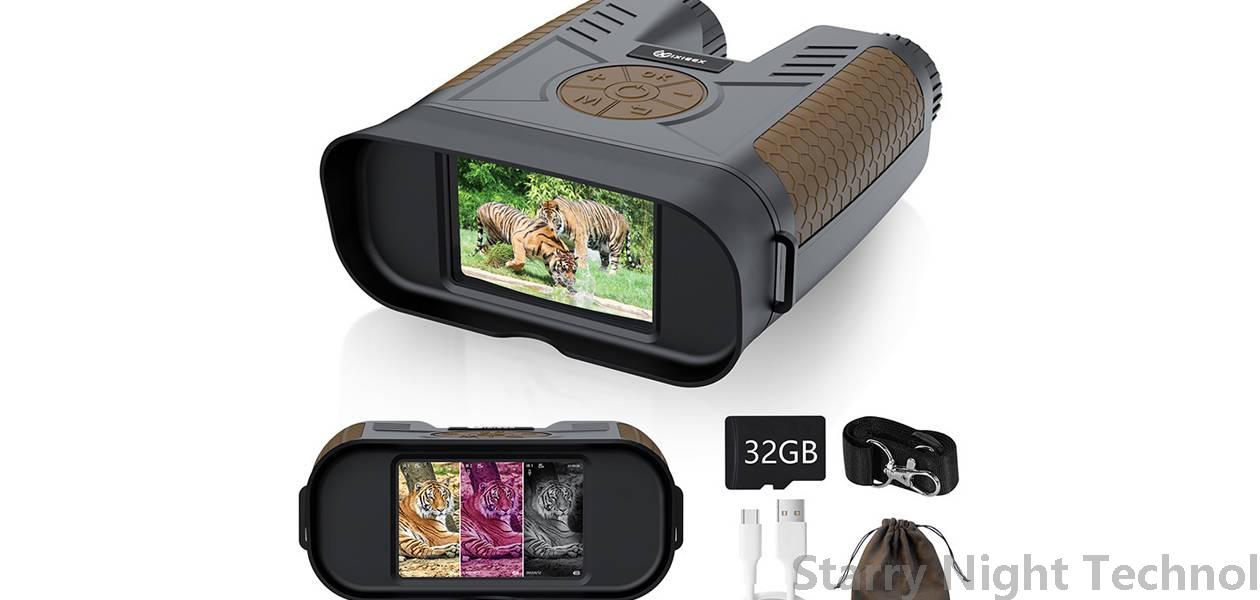
The world of military technology is constantly evolving, with new innovations emerging at an unprecedented pace. One area that has seen substantial advancements in recent years is night vision equipment. The ability to see clearly in low-light conditions can significantly impact the effectiveness of defense operations, from combat missions to reconnaissance and surveillance. As threats grow more sophisticated, so too does the technology designed to counter them. Below, we explore some game-changing developments in night vision equipment specifically catered toward defense applications.
#### 1. **Digital Night Vision Technology**
Traditional night vision devices predominantly rely on image intensification tubes. However, digital night vision technology has transformed the landscape, offering several distinct advantages over its analog predecessors. Digital systems utilize complementary metal-oxide-semiconductor (CMOS) sensors similar to those found in modern cameras, which convert light into electronic signals.
These digital devices are not only lighter but also more versatile. They can easily integrate with various platforms and communication systems for enhanced operational efficiency. Moreover, digital night vision provides higher resolution images, features advanced image processing capabilities, and even allows operators to record footage for analysis later. This facilitates real-time decision-making while providing valuable data for future missions.
#### 2. **Fusion Systems**
One of the most groundbreaking advancements in night vision involves fusion systems—a combination of thermal imaging and traditional night vision technologies. These hybrid systems enable users to view their environment through infrared detection, identifying objects based on heat signature rather than visible light.
This capability is particularly vital for military personnel operating under adverse weather conditions or amid smoke and fog, where visibility might be restricted. Fusion systems offer a comprehensive situational awareness picture, merging both thermal and standard images onto one display. By allowing soldiers to operate seamlessly across day and night environments and amidst varied temperatures, this technology enhances mission success rates and minimizes collateral damage.
#### 3. **Augmented Reality (AR) Integration**
Augmented reality represents another transformational shift within night vision gear. Modern AR systems overlay critical information—such as GPS waypoints, tactical maps, and target highlights—onto the user's field of view without obstructing visibility. With these enhancements integrated into night vision goggles, soldiers can navigate complex terrains more efficiently, analyze enemy movements in real time, and prioritize targets effectively.
Gone are the days when soldiers had to jockey between navigational aids and observational tasks; now they can access essential data right in their line of sight. Military training simulations incorporate AR to prepare troops for realistic scenarios. Such immersive experiences increase familiarity with high-tech gear so that personnel feels confident employing it in live operations.
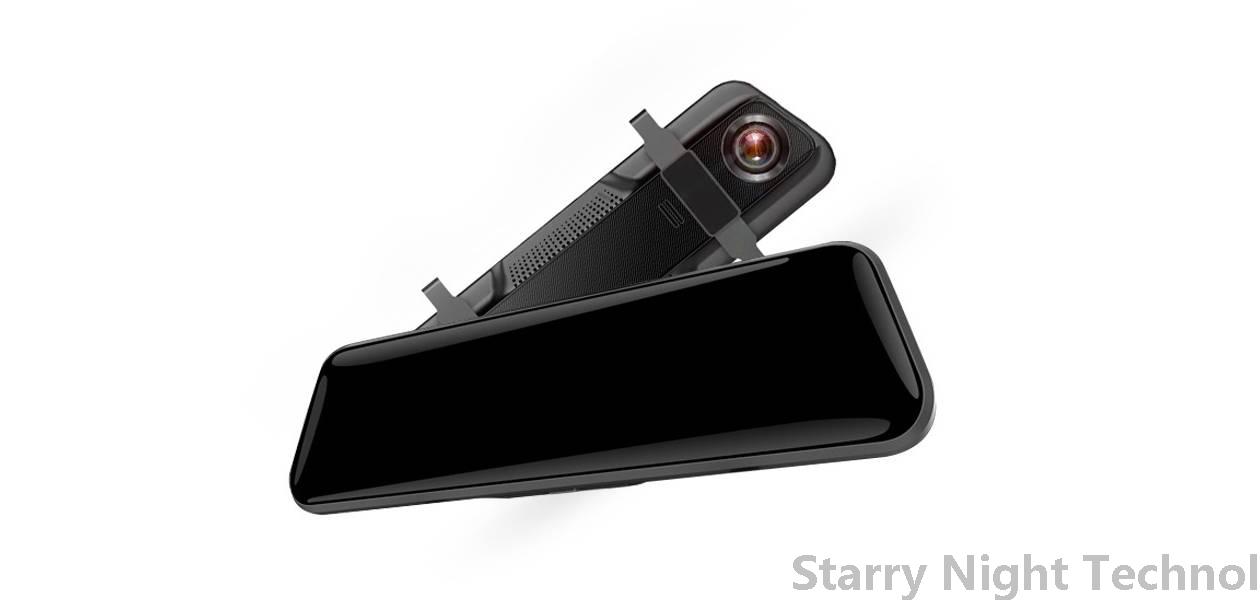 As warfare evolves, so too does the demand for lightweight, easily deployable equipment. Miniaturized components allow manufacturers to create compact night vision options that do not sacrifice performance. Cutting-edge materials such as carbon nanotubes have been pivotal in reducing weight without impairing durability.
Moreover, efforts to enhance wearability have led to design innovations such as helmet-mounted setups and ocular implants that provide unobstructed peripheral vision. This ergonomic development promotes comfort during prolonged use, ultimately translating to improved soldier endurance on field assignments. When night vision becomes second nature due to seamless incorporation into existing military gear, forces benefit tremendously from heightened readiness and responsiveness.
#### 5. **Artificial Intelligence (AI) Assistance**
Artificial intelligence is unleashing radical changes in how night vision equipment processes and interprets visual data. Integrated AI algorithms enhance object recognition and tracking, helping operators identify potential threats faster and with greater accuracy. Machine learning continually refines its understanding of patterns from vast datasets gathered during numerous missions.
Equipped with these intelligent features, soldiers can filter out noise and focus attention on critical information, allowing for immediate threat assessment. For instance, AI could alert a unit if an unidentified aircraft enters the vicinity or highlight suspicious activity along patrol routes. Implementing AI-driven analytics leads to quicker decision cycles, enhancing overall mission safety.
#### 6. **Challenges & Considerations**
While the advances in night vision equipment present incredible opportunity, challenges remain. Cost, for instance, can pose obstacles for widespread adoption, especially given budget constraints faced by many defense organizations worldwide. Furthermore, there's a pressing need to balance technology advancement with maintaining troop proficiency and traditional skills, ensuring soldiers aren't overly reliant on tech in unpredictable situations.
Cybersecurity poses another set of challenges; integrating night vision systems into larger networked frameworks increases vulnerability to hacking attempts. Protecting sensitive military assets against cyber incidents must therefore stay central to the conversation around deploying next-gen night vision technologies.
#### Conclusion
The deployment of cutting-edge night vision equipment revolutionizes the ways militaries approach nighttime operations. From augmented reality integration and AI assistance to thermal fusion capabilities and remarkable miniaturization, each breakthrough offers a unique advantage crucial for modern battlefield dynamics.
While innovation will continue to push boundaries, embracing technological evolution alongside robust training programs ensures that armed forces remain effective and ready. In the face of ever-evolving threats, investing in game-changing night vision solutions is essential for national security and global peacekeeping initiatives.
Night vision device accessoriesStarry Night Technol
 Starry Night Technol
- +86 177 2792 7301
- Room 6A-16, 6th Floor, Shenzhou Computer Building, No. 2 Beier Road, Longgang District, Shenzhen Province, China