
Tactical Night Vision Devices: Security and Strategy in Low Light
1764072025000
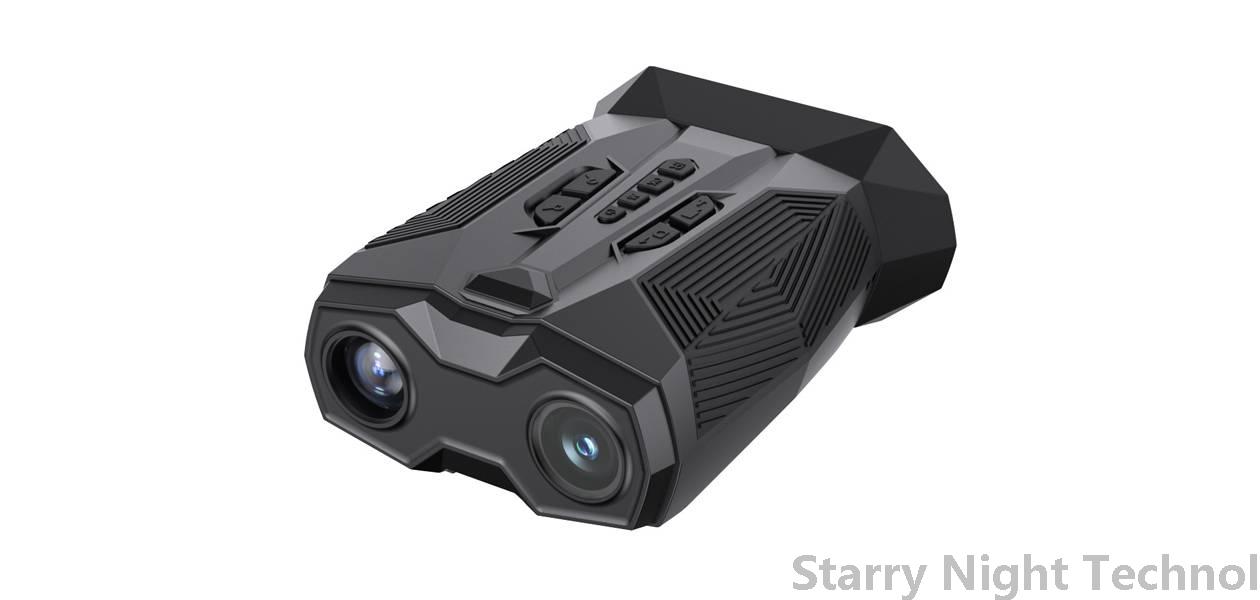
In an era characterized by rapid advancements in technology, the battlefield has evolved beyond traditional physical confrontations. Modern military engagements increasingly occur not only during daylight hours but under the cloak of darkness as well. One critical tool that enhances operational efficacy in low-light environments is Tactical Night Vision Devices (TNVDs). These devices have transformed how armed forces approach security and strategy at night, enabling soldiers to engage effectively with their surroundings.
#### The Evolution of Night Vision Technology
The inception of night vision technology dates back to World War II when rudimentary infrared systems were employed. However, it wasn't until the Vietnam War that night vision gained prominence, thanks to developments like the first generation (Gen 1) image intensifier tube. Over the decades, this technology evolved into more sophisticated multi-generational devices—Gen 2, Gen 3, and now emerging Gen 4 models—which have improved sensitivity, resolution, and performance in varying light conditions.
While earlier variants relied heavily on ambient light amplification, modern TNVDs incorporate advanced artificial-intelligence-driven algorithms, enhanced optics, and digital imaging sensors for higher fidelity images even in near-total darkness. This evolution allows military personnel to operate with astonishing clarity and awareness during nocturnal missions, significantly elevating tactical advantages on many fronts.
#### How TNVDs Work
At its core, a night vision device operates by capturing available light, or photons, which are then amplified to create a visible image. Most devices utilize a combination of image intensification tubes and thermal imaging technologies. Here’s a breakdown:
1. **Image Intensifiers**:
- These amplify minimal amounts of light—like starlight or moonlight—through a special lens system and photoelectric effect.
- The result is a green-tinted reimagining of nighttime scenes, allowing users to identify shapes, outlines, and movements within their inclusive environment.
2. **Thermal Imaging**:
- Thermal imaging measures heat rather than relying purely on visible light. It detects infrared radiation emitted by objects, making TNVDs effective even in complete darkness or obscured visibility due to smoke or fog.
- In military applications, this means identifying vehicles, weapons, and combatants based solely on their heat signature.
Both methodologies can ensure a seamless blend of visuals, giving soldiers comprehensive situational awareness while maneuvering in potentially hostile areas.
#### Advantages of Utilizing TNVDs in Military Operations
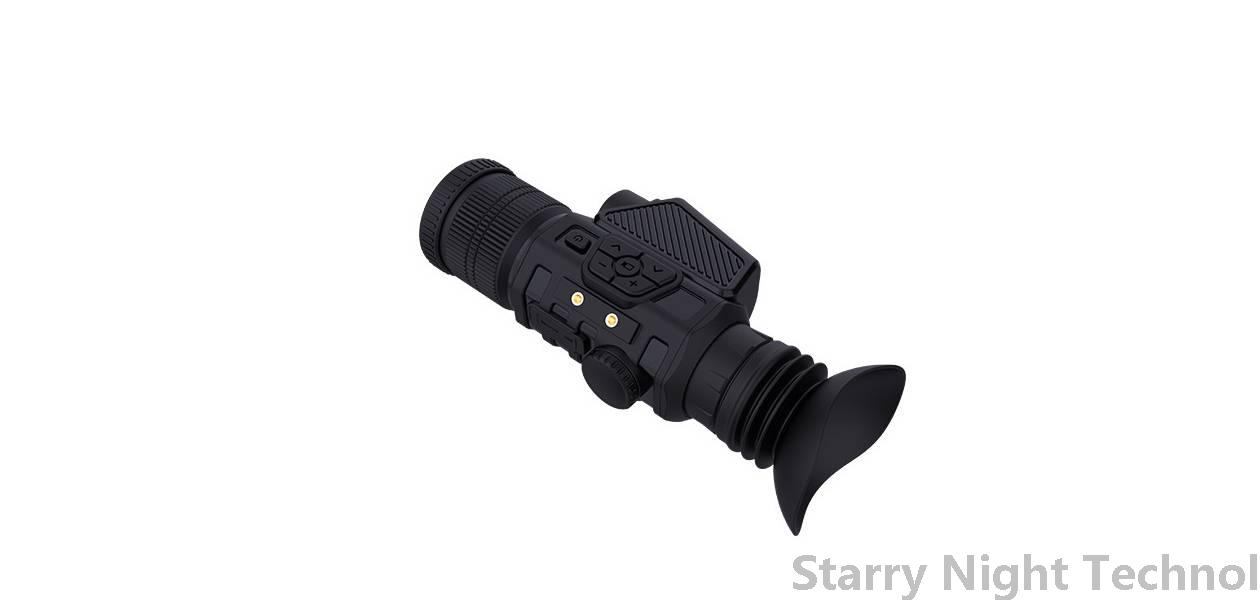
Tactical Night Vision Devices provide several strategic benefits that enhance a soldier's ability to conduct operations:
 2. **Domination of the Battlefield**:
- By employing TNVDs, troops gain a distinct operational edge over adversaries unprepared for night combat. Being able to navigate stealthily through blackout scenarios enables surprise attacks adeptly executed under cover of darkness.
3. **Reduced Casualties**:
- Many skirmishes can become chaotic and costly; visibility impacts split-second decision-making. With TNVDs providing accurate real-time locations, the likelihood of friendly fire incidents diminishes, preserving lives while minimizing collateral damage.
4. **Adaptability in Diverse Conditions**:
- Contemporary conflicts take place across varied terrains and climates—from densely wooded regions to urban sprawls. TNVDs achieve unparalleled adaptability since they function effectively regardless of environmental factors affecting visual acuity.
5. **Strategic Integration**:
- Advanced TNVDs can be integrated seamlessly with other technologies such as drones, GPS systems, and command-and-control networks. This holistic synergy amplifies broader mission objectives, improving coordination between ground-level efforts and overarching strategic goals.
#### Challenges and Considerations
Despite their extensive capabilities, TNVDs are not infallible. Several challenges arise concerning their use:
- **Weight and Bulkiness**: Traditional devices tend to be cumbersome, posing comfort issues for prolonged wear or carrying during intensive excursions. Advances toward ergonomics and designs alleviate these concerns, yet room for improvement remains.
- **Cost**: High-performance TNVDs, especially those featuring cutting-edge technology and materials, often come with significant costs prohibitive to expansive procurement campaigns.
- **Technological Vulnerabilities**: As with all technologies, susceptibility to hacking and countermeasures exists; just because one side employs TNVDs doesn’t mean they’re invulnerable to detection or neutralization.
- **Awareness Training**: Not merely possessing TNVDs translates to success. Rigorous training programs must accompany equipment acquisition to ensure deployed troops maximize potential, understanding functionalities, strengths, and limitations.
#### Conclusion
Tactical Night Vision Devices mark a revolutionary stride in warfare and security protocols, augmenting gaming tables where once limited sight was a severe handicap. As military strategies continue evolving, the integration and enhancement of TNVD technology will remain critical to achieving strategic superiority on present and future battlefields. Enhanced situational awareness combined with superior visibility emboldens operatives, ensuring readiness and resilience in any circumstance presented by sundown's descent. From contemporary military units to specialized law enforcement teams, TNVDs signify essential tools in shaping our world's security landscape moving forward.
Essential Night Vision Devices for TravelStarry Night Technol
 Starry Night Technol
- +86 177 2792 7301
- Room 6A-16, 6th Floor, Shenzhou Computer Building, No. 2 Beier Road, Longgang District, Shenzhen Province, China