
Night Vision Advancements: Empowering Troops in Darkness
1764054015000
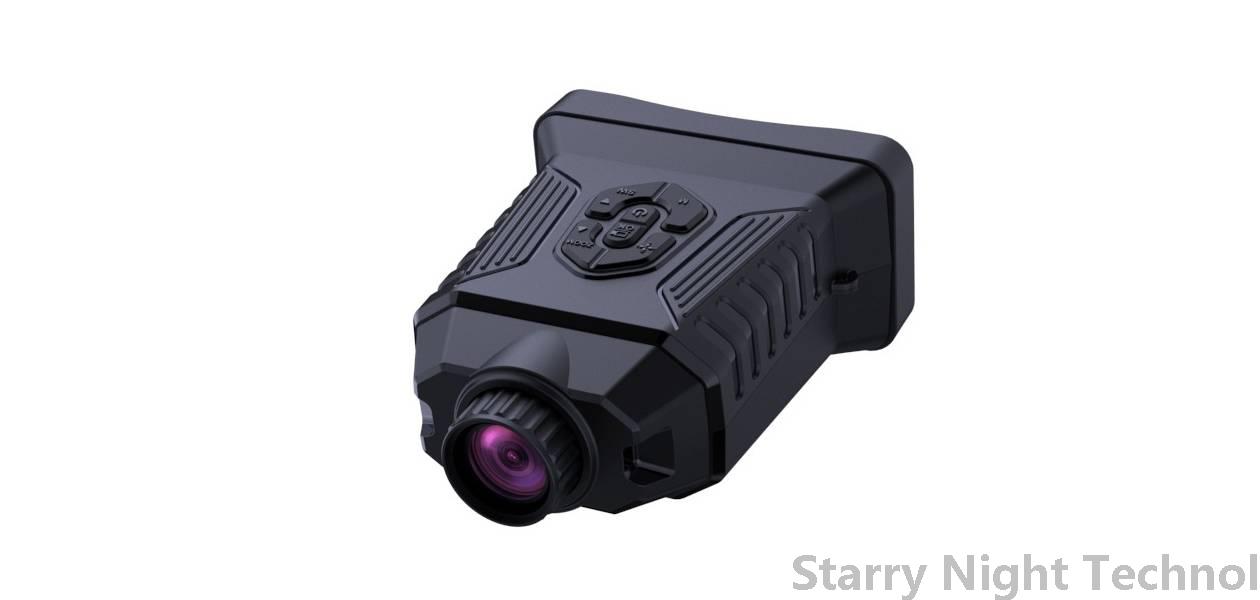
In the realm of modern warfare, dominance on the battlefield requires not only superior firepower but also a technological edge. One of the most significant advancements in military technology over recent decades has been in the field of night vision. Originally conceptualized during World War II to assist troops in nighttime operations, night vision equipment has evolved significantly and continues to transform how militaries engage in combat after sunset.
#### The Evolution of Night Vision Technology
The first generation of night vision devices utilized infrared light amplification techniques, allowing soldiers to see in low-light conditions by collecting and intensifying available ambient light. While revolutionary at the time, these early systems had several limitations, such as bulkiness, poor resolution, and limited range.
As technology progressed into the second generation, capabilities improved markedly with the introduction of image intensifier tubes made from gallium arsenide technologies, which allowed for clearer images and better performance under starlight. The introduction of third-generation (Gen 3) models marked another leap forward; these featured microchannel plates, further enhancing brightness and clarity.
More recently, we have witnessed exciting developments in fourth-generation night vision systems (Gen 4). These incorporate advanced materials and electronics, resulting in unparalleled optical quality and operational versatility. Enhanced sensitivity to near-infrared light allows Gen 4 devices to perform efficiently even in nearly complete darkness. They are lighter, more compact, and offer longer battery life than their predecessors — features that add value when every ounce counts in terms of troop mobility.
#### Modern Applications of Night Vision Technology
With enhanced night vision tools, military personnel can operate effectively around-the-clock, improving mission success rates significantly. Here are some key applications:
1. **Tactical Advantage**: Night vision goggles allow troops to detect enemy movements without revealing their own positions. Soldiers equipped with this technology can surveil entire landscapes while remaining concealed — an invaluable asset during stealth missions.
2. **Enhanced Surveillance and Reconnaissance**: In addition to infantry use, night vision is instrumental for surveillance drones and reconnaissance units. These devices enable comprehensive monitoring of expansive areas in real-time, providing critical intelligence that informs strategic decisions.
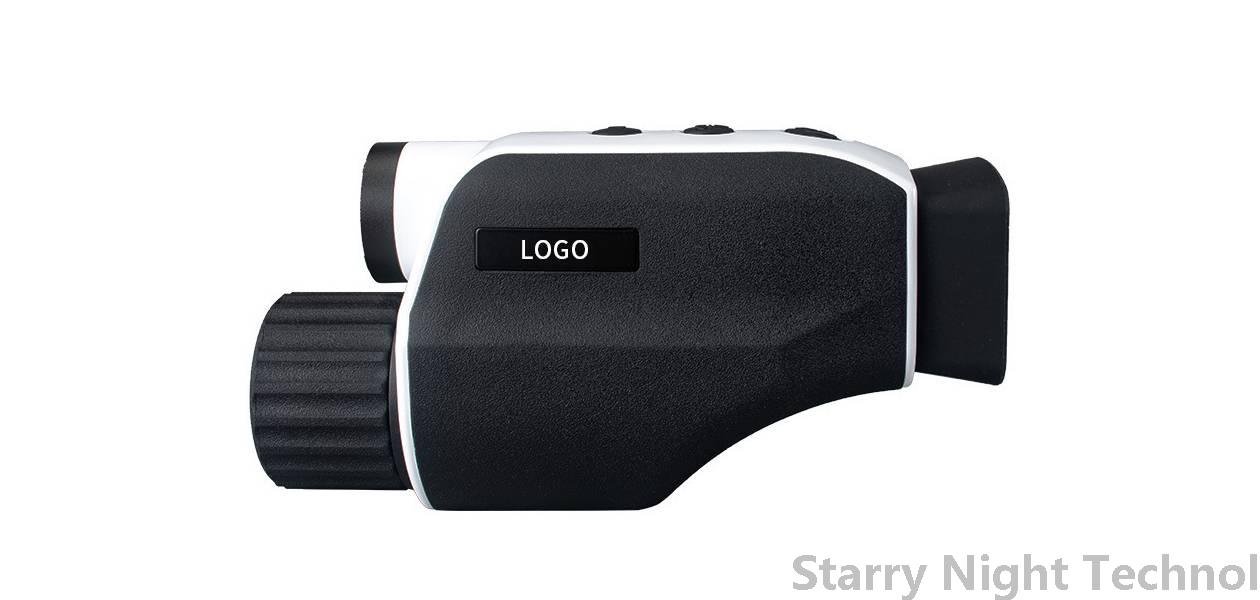 4. **Integration with Other Technologies**: Cutting-edge night vision systems are being integrated with additional technologies such as augmented reality (AR). This fusion provides users with navigational aids, threat recognition overlays, and live feeds from other squad members’ equipment directly onto their visor screens, enhancing situational awareness.
#### Challenges and Considerations
While these advancements paint a promising future, they do not come without challenges. Cost remains a significant barrier; cutting-edge night vision devices can be prohibitively expensive, which may limit broad-scale deployment across various branches of the military. Moreover, reliance on these sophisticated systems necessitates extensive training and maintenance protocols to maximize effectiveness and ensure reliability under duress.
Additionally, as adversaries develop countermeasures against night vision technologies, it is paramount for armed forces to continuously innovate. Emerging technologies like uncrewed aerial vehicles (UAVs) or new forms of camouflage aim to disrupt visual detection methods, prompting researchers to explore even newer methods such as quantum dot technology and retinal scanning.
#### What Lies Ahead
The future of night vision technology looks bright as ongoing research fuels innovations. Quantum-based sensors could potentially revolutionize how we perceive low-light environments by harnessing both visible and non-visible wavelengths. Researchers are exploring ways to create ultra-sensitive photo detectors that would further enhance capabilities beyond current limits.
Furthermore, artificial intelligence (AI) stands poised to contribute meaningfully through improved algorithms for noise reduction, object recognition, and predictive analytics interfaces designed to streamline user decision-making processes.
As nations invest heavily in next-gen military tech, partnerships among universities, private sector innovators, and government entities become vital to maintaining an edge. Collaborative efforts will result in cutting-edge solutions tailored to meet evolving demands on contemporary battlefields.
#### Conclusion
Night vision advancements symbolize one of the many facets of an ever-evolving military landscape. By empowering troops with the ability to maneuver effectively in darkness, these technologies engender greater confidence, adaptability, and ultimately, resilience in combat situations. Armed with an arsenal of modern systems, today’s soldiers can achieve tactical supremacy, securing a formidable advantage as they wage war when others cannot — in the shadows. As history has taught us, adapting to change while anticipating emerging threats is key to sustaining any organizational strategy, especially for those tasked with national defense. The journey of night vision innovation continues, illuminating pathways to brighter futures in darkest hours.
What brand of night vision device should I buyStarry Night Technol
 Starry Night Technol
- +86 177 2792 7301
- Room 6A-16, 6th Floor, Shenzhou Computer Building, No. 2 Beier Road, Longgang District, Shenzhen Province, China